
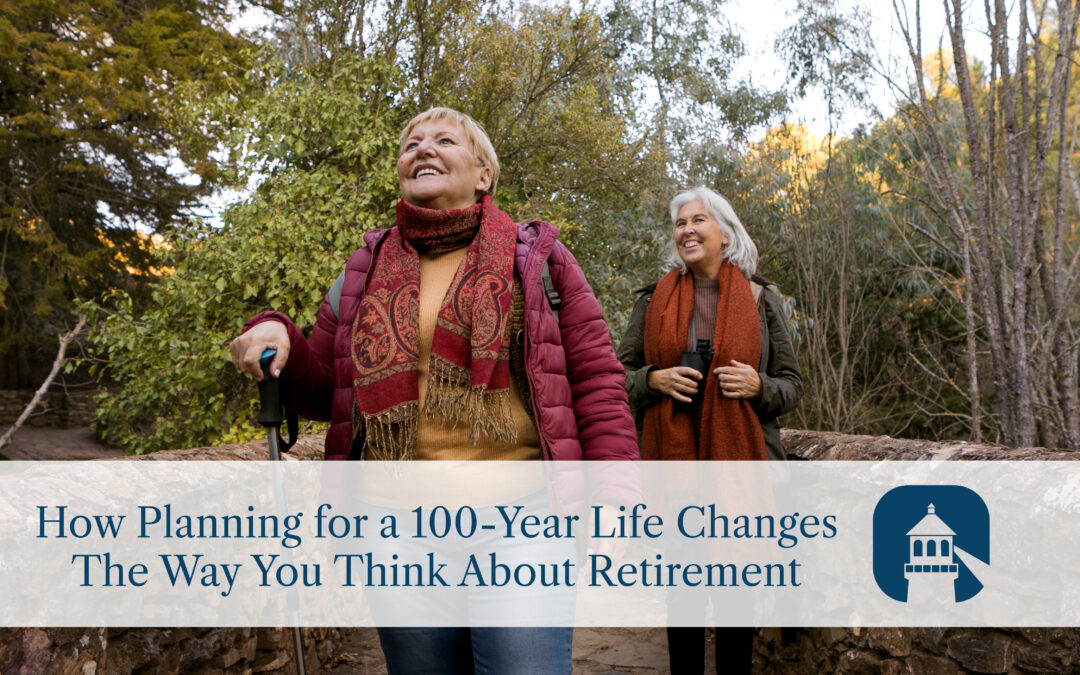
How Planning for a 100-Year Life Changes The Way You Think About Retirement
Living to 100 is not a far-fetched idea anymore. According to the CDC, the average life expectancy in the U.S. is now over 77 years—and for women, it’s even higher. If you reach age 65 in good health, you may live well into your 80s or 90s. On top of that, the Stanford Center on Longevity predicts that today’s children could regularly live to 100 and beyond.
But here’s the problem: traditional retirement models were never built for triple-digit life expectancy.
When the concept of retirement took hold in the mid-20th century, life expectancy hovered around 65–70 years. Financial planning focused on a short window of post-work living, often just 10 to 15 years. Now? Many people are facing the possibility of living 30 or even 40 years after leaving full-time work.
That changes everything for your retirement plan. Why? Because retirement isn’t just about having enough — it’s about creating a plan that can evolve with you through multiple phases of life, changing needs, and unexpected turns.
Rethinking Traditional Retirement Timelines
For a long time, age 65 was the retirement finish line. Social Security benefits kicked in, pensions were paid, and you got to enjoy your golden years. But today, retirement is far more flexible and far more personal. Younger generations also don’t have the same social or professional safety nets, as concerns about Social Security funding and the lack of job benefits rise.
In addition, some people are retiring early, following FIRE (Financial Independence, Retire Early) principles. Others are delaying retirement, driven by rising costs or a desire to stay active and engaged. Many are choosing something in between: semi-retirement, phased retirement, or encore careers.
According to a recent Gallup poll, the average retirement age in the U.S. has already crept up to age 61, and more than 40% of workers now expect to retire after age 65.
This means that the real question isn’t “When can I retire?” It’s “What does retirement look like for me?”That’s where a personal, flexible plan comes in.
Funding Multiple Chapters of Life
When we talk about retirement planning at Guiding Wealth, we don’t talk about a finish line. We talk about chapters. Retirement today isn’t one continuous stretch of rest and relaxation. It might include work, caregiving, travel, volunteering, or personal reinvention.
Here are just a few examples:
A Second (or Third) Career
Plenty of retirees aren’t ready to stop working entirely. Some pivot to consulting or part-time work. Others pursue passion projects or small businesses they never had time for before.
This kind of shift impacts not just income, but your sense of purpose, your tax strategy, and your lifestyle.
Caregiving, Grandparenting, or Slowing Down
You may find yourself caring for a spouse, aging parents, or grandkids. You might want to slow down, relocate, or restructure your days. These choices affect both your time and your financial plan.
Travel, Wellness, or Exploration
Maybe you want to spend your 60s hiking in national parks and your 70s painting in Italy. These experiences matter—and they deserve a place in your plan. But they also require thoughtful financial support that adjusts as your needs and energy shift over time.
Planning for Longevity & Rising Healthcare Costs
Living a long life is a gift. But it’s a gift that comes with costs, especially when it comes to healthcare. Fidelity found that, in 2025, a 65-year-old individual may need $172,500 in after-tax savings to cover health care expenses in retirement.
A 100-year life could include 30+ years of retirement, complete with rising medical expenses, gaps in Medicare coverage, and potential long-term care needs. These are real, significant costs and they can derail even a strong retirement plan if left unaddressed.
Your financial plan should consider:
- The rising cost of private insurance
- Medicare supplements and out-of-pocket expenses
- Long-term care and aging-in-place options
- Health Savings Accounts (HSAs) as a strategic savings tool
And there are new policies shaping this landscape, too. The One Big Beautiful Bill could impact access to benefits like Medicaid by increasing work requirements for eligibility. These changes might not affect every retiree directly, but the downstream impacts may increase costs for (and access to) healthcare overall.
What a 100-Year Plan Actually Includes
What does it really take to plan for a 100-year life? It’s not just about having “enough” saved. It’s about building a retirement plan that’s resilient, adaptable, and aligned with your values — not just your numbers. That kind of plan doesn’t happen by accident. It requires thought, structure, and regular updates.
Here’s what a long-life retirement plan typically includes:
Income Strategy
Your income in retirement might come from several sources: Social Security, investment accounts, pensions, rental properties, or part-time work. A strong plan outlines when and how to use each one, and factors in tax impact, timing, and your lifestyle goals. It should also account for Required Minimum Distributions (RMDs) and how they fit into your overall withdrawal strategy.
Healthcare and Long-Term Care Coverage
As we mentioned above, healthcare is going to be one of the most important elements of your retirement plan if you expect to live 30+ years out from retirement. From Medicare to long-term care insurance to out-of-pocket costs, your healthcare needs will change — and your plan should account for that. A 100-year plan includes projections for rising medical expenses, potential caregiving needs, and decisions about aging in place or assisted living.
Flexible Withdrawal Approach
A rigid spending plan can break under real-life pressure. Your plan should include strategies that allow you to adjust how much you withdraw, when, and from where. It should also account for market conditions, inflation, or life events.
Purpose and Lifestyle Goals
Retirement isn’t just about surviving — it’s about living well. Whether that means traveling, launching a passion project, volunteering, or spending more time with family, your plan should support the life you actually want to live, not just the one spreadsheets assume.
Contingency Plans
Even the best plans need a backup plan. A 100-year strategy should include:
- How to pivot financially if caregiving becomes a reality
- How to manage inflation or unexpected expenses
- What to do if work or health situations change suddenly
Ongoing Check-Ins with Your Planner
Your life will evolve, and your financial plan should, too. Regular reviews with your planner ensure your strategy stays aligned with your goals, especially as laws change, markets shift, or family dynamics evolve.
Estate Planning
Living longer means you’ll have more time to build wealth and more opportunities to direct where it goes. A thoughtful estate plan protects your wishes, supports your loved ones, and prevents future stress or conflict. It should be reviewed regularly to reflect current laws and life stages.
Charitable Giving
If giving back is part of your legacy, your financial plan can help you make a greater impact. Whether through donor-advised funds, qualified charitable distributions, or gifting strategies, a 100-year plan includes space for generosity and the causes that matter most to you.
Why a Flexible, Human-Centered Plan Matters
No two lives follow the same script, so why should your retirement plan? Rigid plans might work on paper, but they tend to break under real-life pressure. Illness, career changes, family needs, and shifting goals require a plan that can bend, stretch, and evolve.
Retirement is also the first time that you’ll be spending more than you save, and that requires special attention and updates to make sure your money will live as long as you do.
At Guiding Wealth, we believe financial planning should reflect the human behind the numbers. A responsive plan doesn’t just aim to “cover costs.” It supports your decisions, values, and goals — now and decades from now.
If you’re starting to think about what retirement could (and should) look like for you, we’d love to help. Reach out today to create a plan that’s built for the full, vibrant, 100-year life ahead.