
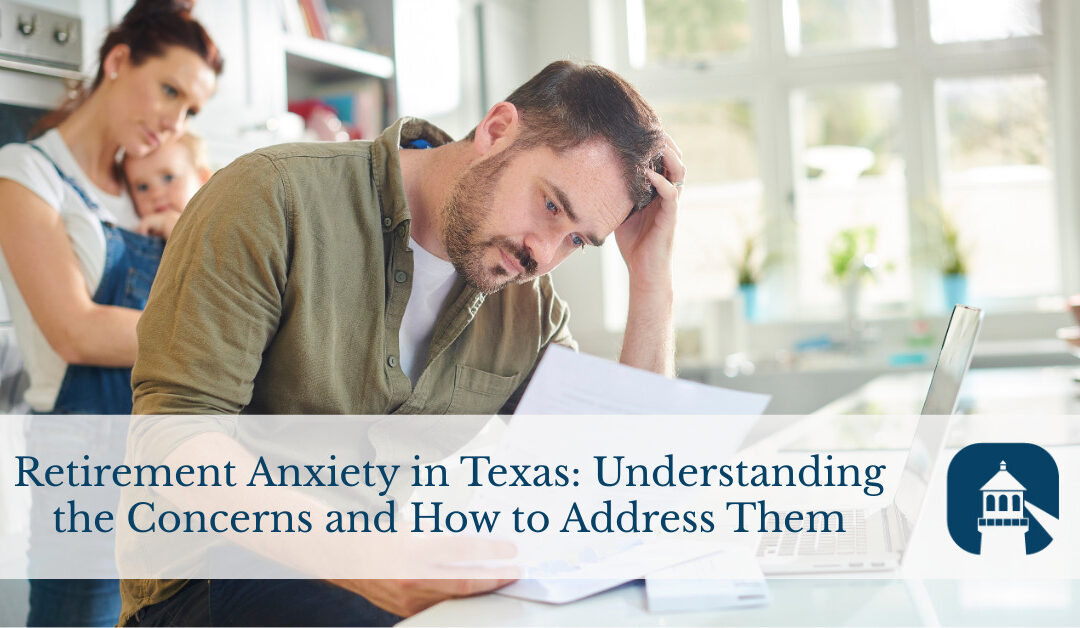
Are you worried about your finances in retirement? If so, you’re not alone.
A recent BlackRock survey indicated that 78% of Texans are worried they won’t have enough retirement savings to last through old age. Furthermore, 62% of respondents reported that they have less than $150,000 in retirement savings.
What’s causing this level of uncertainty? And how can you overcome these fears and feel more confident about your retirement savings?
Let’s look at some of the most common causes of financial uncertainty and strategies to address them.
Top Causes of Retirement Anxiety in Texas
Everyone’s financial circumstances are unique — the factors impacting your retirement plans might not be exactly the same as someone else’s. But several significant factors are currently affecting many retiree (and near-retiree) finances:
- Rising healthcare costs: Medical care is expensive, even for people with health insurance coverage. Most people need more care as they age, so those high healthcare costs can be even more impactful during retirement.
- High living expenses: Medical bills aren’t the only expenses that are at or near historical highs. Housing, utilities, groceries, and entertainment cost more due to inflation and economic instability.
- Social Security uncertainty: Social Security benefits are the main source of income for many retirees. However, unpredictable changes in government spending priorities can cast doubt on whether those Social Security checks will arrive on time or keep up with inflation.
The high cost of living doesn’t just impact retirees — it can make it hard for people of any age to save for retirement. Years of recessions and market instability, plus the COVID-19 pandemic, have made it difficult for younger generations to afford to max out their retirement contributions.
These challenges can seem overwhelming, but they don’t have to be. A few intentional steps can increase your retirement savings no matter where you are in life.
Retirement Preparedness Tip #1: Save Consistently
One of the most popular retirement planning tips is to start saving early. And it’s true — it’s never too early to start saving. Even small contributions make a difference — the earlier you start saving, the more you can benefit from compound interest.
But what if you’re close to retirement? Is it too late to start saving?
Not at all! Just as it’s never too early to start saving, it’s never too late, either. While starting earlier gives your money longer to grow, you can still grow your retirement savings by starting now.
Consistency is the most impactful aspect of saving. Make it a habit to put money in your emergency fund and retirement account.
Then, commit to saving regularly, even if it means limiting non-essential spending when money is a little tight. And if you go through seasons of financial excess? Put some of that extra cash into your retirement account!
Consistency is the secret — all those contributions add up over time! Make it even easier on yourself by automating your retirement contributions. Once you set up an automatic transfer, you can watch your retirement account grow without lifting a finger!
Retirement Preparedness Tip #2: Expand Your Financial Literacy
Financial planning can be a complicated topic, and feeling overwhelmed by all the options can quickly lead to retirement anxiety. If you feel nervous thinking about retirement, start by expanding your knowledge.
The more you know about different financial strategies and retirement plans, the easier it is to decide which one best fits your goals. Plus, boosting your financial literacy can help you feel less anxious about retirement, despite ongoing challenges like inflation and market volatility.
Here are some ways to become more financially literate:
- Do some research: Learn more about Social Security and retirement strategies from reliable sources like the Social Security Administration website.
- Dive deep into your finances: Spend some time evaluating your budget, spending decisions, and saving plan. If you have a 401(k) through an employer, learn how your contributions are managed and invested. Think about what level of risk you’re comfortable with.
- Call in an expert: There’s nothing wrong with learning on your own, but there are many benefits to working with a financial advisor. A CERTIFIED FINANCIAL PLANNER® has the knowledge and experience to help you understand what’s really going on with the market so you can feel more confident about your finances. Plus, they can help you create (and update) your retirement plan to adapt to changing economic conditions.
Not sure where to start learning? Take a look at our guide to retirement during a recession.
Retirement Preparedness Tip #3: Adjust Your Lifestyle Goals
If you’re worried that your savings might not last throughout your planned retirement, consider adjusting your lifestyle expectations. Are there any expenses you could reduce or luxuries you could live without?
This is a good time to re-evaluate your priorities. For example, you may not want to travel as much as you initially thought if it would mean spending lots of time away from your children and grandchildren.
Maybe you’d be just as happy with a mid-range sedan as with a luxury car. Perhaps you’d enjoy downshifting your career — starting a side gig or offering your expertise as a consultant — instead of fully retiring right away.
Retirement plans aren’t set in stone. You can adjust your goals whenever you’d like! So take some time to see if increasing your income or reducing your expenses could help you feel more comfortable with the amount of money you have saved for retirement.
Retirement Preparedness Tip #4: Invest Wisely
Your investment portfolio can significantly impact the amount of money you have access to during retirement. There are many different investment strategies to consider — each one has unique pros, cons, and levels of risk.
Investment planning can quickly become complicated, especially when it seems like the market grows less stable every day. When the stock prices fall, it can be tempting to just pull out of the market altogether. In most cases, however, it’s usually better to stay for the long run.
This could be the perfect time to start working with a financial planner who specializes in wealth management. They can help you understand the different investment options and offer guidance to help you build a balanced portfolio that aligns with your goals.
Plan Confidently With Expert Guidance
You’re not the only one feeling retirement anxiety right now. Financial management and investment strategies are complicated, especially in an unpredictable market.
You might not be able to influence Social Security policy or stabilize the stock market, but you can take steps to better prepare for retirement. Expand your financial literacy, save consistency, and re-evaluate your retirement lifestyle goals.
And when you’re ready to enjoy the peace of mind that comes with having a financial expert on your team, let us know! We’ll help you build a retirement plan that matches your values and is ready to weather whatever the market has in store. Schedule a consultation to get started!